Ramadan Mubarak! Johnston Heights Secondary supports students and embraces acceptance
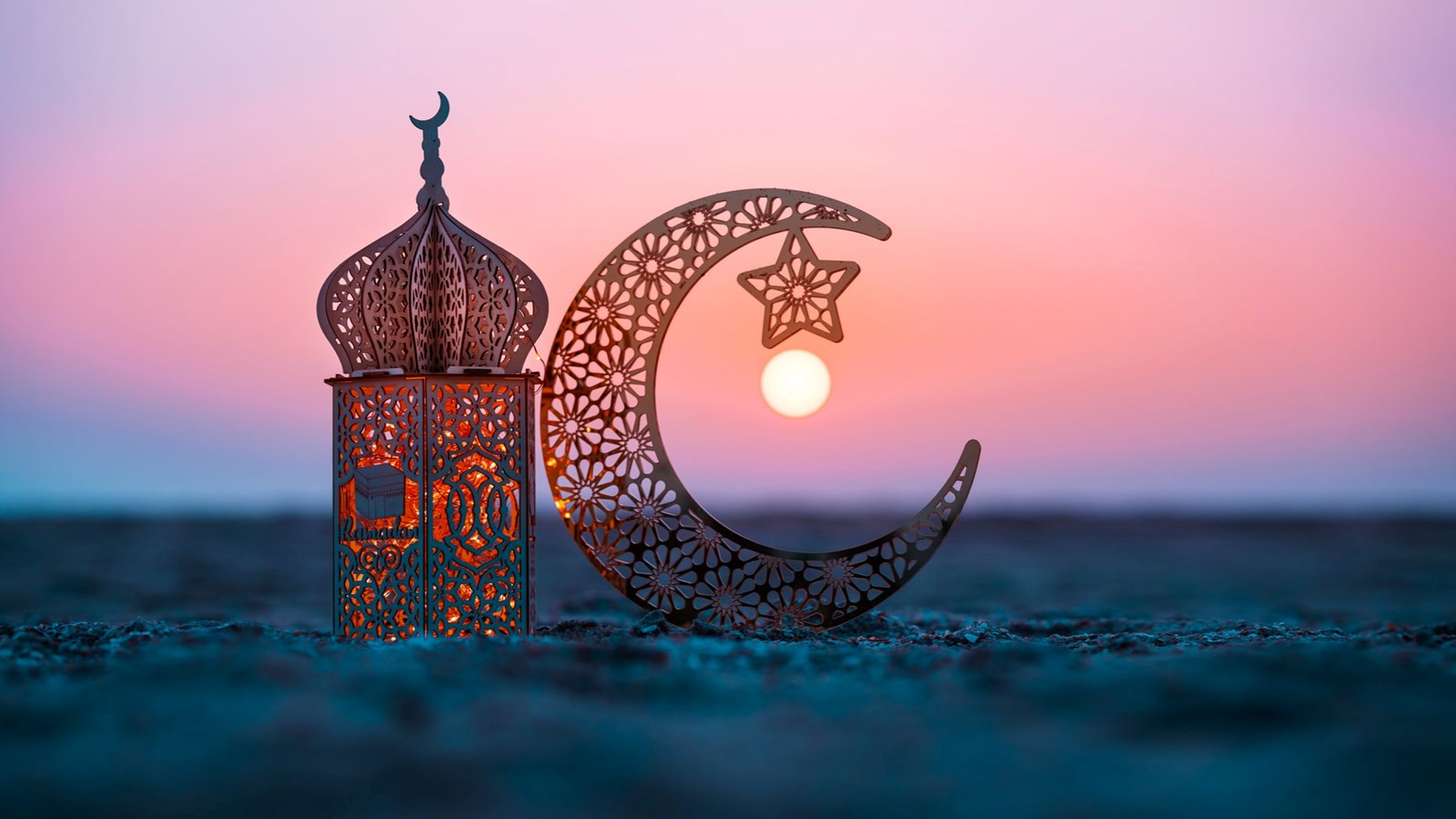 Image via iStock
Today marks the start of Ramadan, and as Muslim students and staff across the district observe the Month of Compassion, Johnston Heights Secondary is supporting its Muslim community by accommodating fasting, recognizing Ramadan and actively educating against Islamophobia.
Ramadan is the ninth month of the Islamic calendar, during which Muslims pray, reflect, give to community and fast between sunrise and sunset. Muslims partake in suhur, a breakfast before dawn, and iftar, a meal to break their fast at sunset, but otherwise abstain from food or drink throughout the day. Children, nursing and pregnant women, the elderly, people who are ill and travellers are exempt from fasting.
“Given the diverse communities in and around Johnston Heights, we have many students who celebrate Ramadan,” said teacher Anisa Dhanji, who serves as the school’s equity department head and anti-racism and racial equity lead. “Many members of our community practise fasting, but we also acknowledge the many who celebrate the holy month in a variety of ways through religious study and cultural gatherings.”
The school has a strong Muslim Student Association (MSA) that supports Islamic student population through advocacy, community and solidarity. The association has previously organized grand iftar community events for 200 guests to share in Ramadan, and earlier this month, hosted a community potluck and workshop to educate students on Ramadan.
The MSA also seeks to better inform students about the Muslim faith by addressing harmful narratives, stereotypes, media representation and misconceptions of Islam, taking Islamophobia head-on. In recent months, the group has:
- put together a display board about Islamic contributions to modern society;
- organized a Q&A about Islamophobia and the January 29th Québec Mosque Attack;
- received the Visionary Award from Islamic Relief Canada for their stellar work fundraising for global orphans and children in need during Charity Week; and
- collaborated with the Social Justice Club to host a spirit week celebrating Syrian Independence Day and International Human Rights Day, and demonstrating support for the humanitarian crisis in Palestine and Sudan.
“While practices that celebrate Ramadan and the Islam faith itself are recognized at Johnston Heights, we also understand the work that needs to continue in order to become a place where culturally diverse practices are not only welcomed but valued and respected at our school and beyond, without the fear of being discriminated against,” said vice-principal Naela Aslam.
Many schools across the district support students during Ramadan by hosting daily fasting spaces at lunchtime and accommodating students’ physical and mental capacities during the month. Ramadan also falls during Heritage Week in B.C., alongside the start of Lunar New Year, with Dhanji noting the shared symbolism of light is especially powerful in the current state of the world.
“Though these holidays come from different cultures and religious traditions, both centre light as a symbol of renewal, hope and guidance,” she said. “There’s something poetic about two lunar observances originating in different parts of the world beginning together under the same moon. It reminds us that while traditions vary, the human longing for light, renewal and connection is universal, and educators have a powerful opportunity to explore common themes like light overcoming darkness, enlightenment, hope and community to encourage cross-cultural understandings, empathy among each other, and meaningful dialogue.”
For Dhanji and Aslam, recognizing the month of Ramadan is both personally meaningful and an important step toward advancing racial equity and anti-racism at their school, and instilling a sense of belonging across Johnston Heights’ diverse cultural identities.
“It reminds us that all peoples’ identities, beliefs and lived experiences are important in every space they occupy,” said Dhanji. “When students can share traditions, holidays, languages, foods, and stories, it invites curiosity and connection between learners and teachers; we learn from one another, stereotypes are challenged, and the Johnston Heights community grows stronger through collective care and respect.”
