



Driver and pedestrian tips to stay safe around school zones
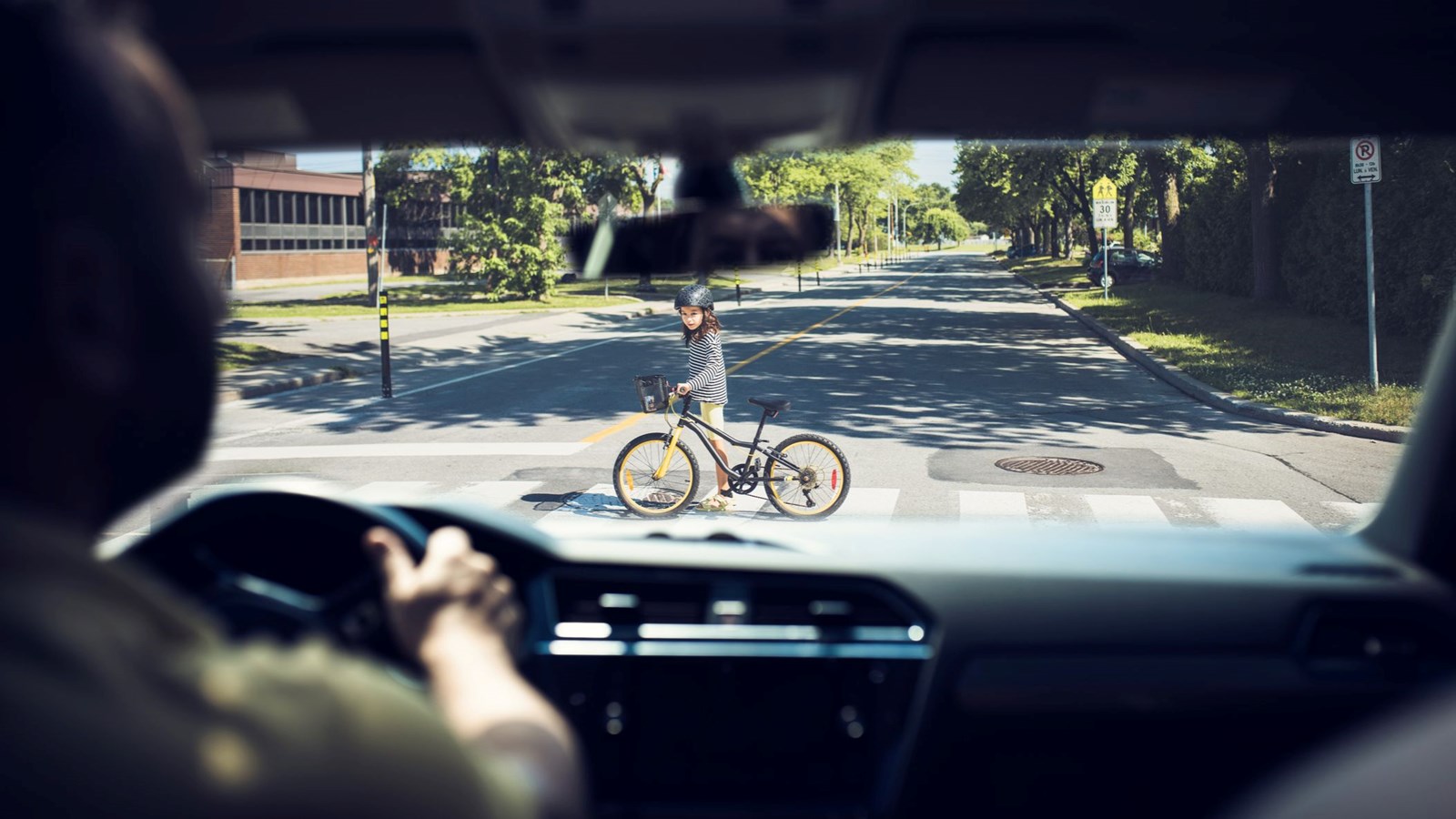 Image via iStock
As students and staff return to school, Surrey Schools reminds the community to be alert and exercise caution when it comes to driver and pedestrian safety around schools.
According to data from ICBC:
- three children in B.C. are killed and 365 are injured in crashes while walking and cycling each year;
- children are more than twice as likely to be involved in a crash during the morning and afternoon school commute than other times of day;
- the risk of crashes involving children is greatest in September, at 37% above the monthly average; and
- 224 collisions occurred in and around five high-traffic school zones in Surrey last year.
Ahead of the new school year, drivers are encouraged to take extra precautions student commutes return, and parents and caregivers are encouraged to give children a road safety refresher. Whether you walk, ride or drive to school, this is a great opportunity to offer guidance and encouragement, practise a safe route together and instill the skills to travel safely.
It is important to be aware of your surroundings at all times and practise the following safety tips when travelling around schools:
Drivers:
Plan ahead: Familiarize yourself with school zones on your route and be aware of increased vehicle, cyclist and pedestrian traffic in and around school zones. Give yourself extra time for your commute.
Stick to the speed limit: School zones are in effect, meaning speed limits are 30 km/h from 8 a.m. to 5 p.m. every school day, unless otherwise posted. In playground zones, a 30 km/h speed limit is in effect every day (including weekends) from dawn to dusk.
Avoid distractions and leave your phone alone: Drivers are 3.6 times more likely to get into an accident when using their phones. It is illegal to use handheld devices when driving in B.C., and drivers with their L or N are not allowed to make use of electronic devices, even with a hands-free system.
Scan crosswalks and intersections as you approach: Look left to right when approaching any pedestrian crossings and watch for people waiting to cross.
Pay attention to what other drivers are doing: If a vehicle is stopped in front of you or in the lane next to you, they may be yielding to a pedestrian, so proceed with caution and be prepared to stop.
Give yourself enough time to stop suddenly: The faster you’re driving, the more time it takes to come to a stop. Ensure you have time to react if children or others are crossing the road by driving slowly and paying close attention to your surroundings.
Watch for school buses: When their lights are flashing, vehicles approaching from both directions must stop.
Before starting your car, check for small children hidden from your view: Walk around your car before starting to drive and always look carefully for pedestrians before backing up.
Look for signs of kids playing in residential areas: Toys and equipment such as hockey nets may be an indication of kids playing. Slow down and watch for children as they could run into the street at any moment.
Help pedestrians see you better: Ensure your headlights, brakelights and turn signals are clear, visible and in good working condition at all times.
Pedestrians & Cyclists:
Cross only at marked or controlled crosswalks: Do not jaywalk or cross the street when it isn’t your turn.
Look both ways before crossing the street: Ensure it is safe to cross from both directions of traffic before setting foot in the crosswalk.
Make eye contact with approaching drivers: Before you enter a crosswalk, make eye contact with any oncoming drivers to ensure they’ve noticed you and are committed to stopping.
Ensure crosswalk and crossing lights and signals are working: Look up to ensure any flashing lights and/or signals at your crossing are working before you step onto the street.
Remove headphones and ear buds and avoid using smartphones: Ensuring you’re alert and can hear and see clearly makes you more aware of your surroundings on the road.
Wait until the crossing guard tells you to cross: If your school has a crossing guard, follow their instructions before crossing – they will make sure it’s safe before guiding you across.
A note on e-scooters and e-bikes:
- Surrey Schools does not permit the use or storage of electric scooters on district property at any time. E-scooters are illegal to ride on public roads, sidewalks and parks in Surrey and White Rock.
- Surrey Schools expects students to dismount e-bikes when on school property at all times. E-bikes may not be charged at school or stored inside school buildings.
Parents:
Teach your child pedestrian safety, including how to safely:
- cross the street: Stop at the curb. Look left and right for oncoming vehicles, then over your shoulder for vehicles that might be turning. Make sure all vehicles have stopped before entering the road. Make eye contact with drivers before crossing and keep scanning for approaching vehicles.
- walk alongside traffic: Take the inside edge of the sidewalk away from the road to keep distance from traffic. In cases where there isn’t a sidewalk, walk facing oncoming traffic to see approaching vehicles and make eye contact with drivers.
- stay focused on their surroundings: Whether walking, cycling or riding a scooter, listen for traffic and scan for approaching vehicles.
Review your route: Determine your route to get to and from school and highlight safety precautions along the way.
Prepare children with important information: Ensure they know their emergency contact numbers, home address and school address in case they require assistance during their commute.
Set a good example: Children learn from their parents – cross at intersections with a pedestrian crossing light or marked crosswalk, where possible, and avoid taking shortcuts through parking lots where it’s harder for drivers to see small children.
Have your children enter and exit the vehicle on the side closest to the sidewalk: It is safest to drop off and pick up your child as close to the sidewalk as possible. Do not have your child exit the car into a traffic lane or cross the street mid-block.
Don’t stop in a no parking or no stopping zone, or block a crosswalk: This can prevent drivers from seeing children as they’re walking and put their safety at risk.
Wear bright clothing and reflective gear: If your child will be outside at night or in poor weather, ensure they wear clothing that is more visible to drivers.
For more information on driver and pedestrian safety, see ICBC’s page on Road Safety and the Surrey Schools safety sheet on school parking and traffic safety.
Wishing you a safe return to school!
